There was a time when I thought “doing well” meant doing more.
More productivity.
More output.
More optimization.
More self-improvement.
But somewhere along the way, I realized I didn’t actually want more.
I wanted depth.
I wanted presence.
I wanted to feel my own life while I was living it.
That’s what slow living is to me.
Not moving at a snail’s pace.
Not rejecting ambition.
Not abandoning goals.
It’s choosing to move through your life intentionally instead of reactively.
It’s living on purpose — not on autopilot.
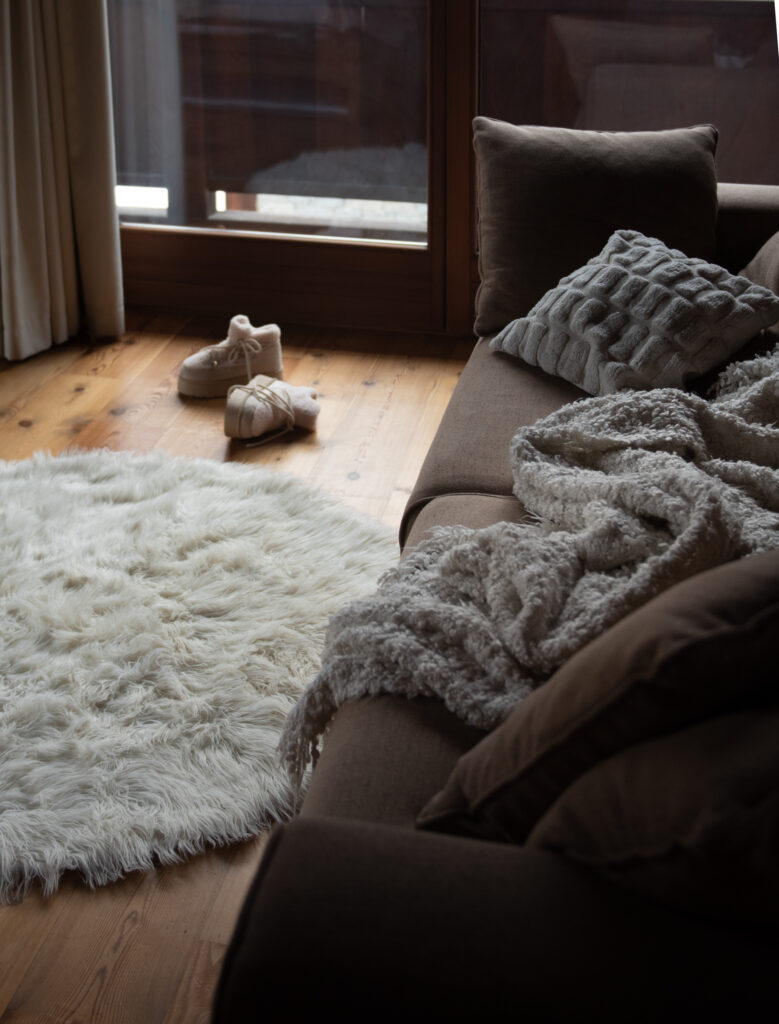
Slow Living Isn’t About Doing Less. It’s About Doing What Matters.
We’ve been sold this idea that busy equals important. That exhaustion equals success. That if you’re not optimizing every corner of your existence, you’re somehow behind.
But slow living asks a different question:
What actually feels aligned?
Instead of:
- “How much can I fit into this day?”
It becomes:
- “What would make today feel meaningful?”
Sometimes that means deep work.
Sometimes that means an afternoon walk.
Sometimes that means saying no — even when yes would look impressive.
Slow living is less about the clock and more about your nervous system.
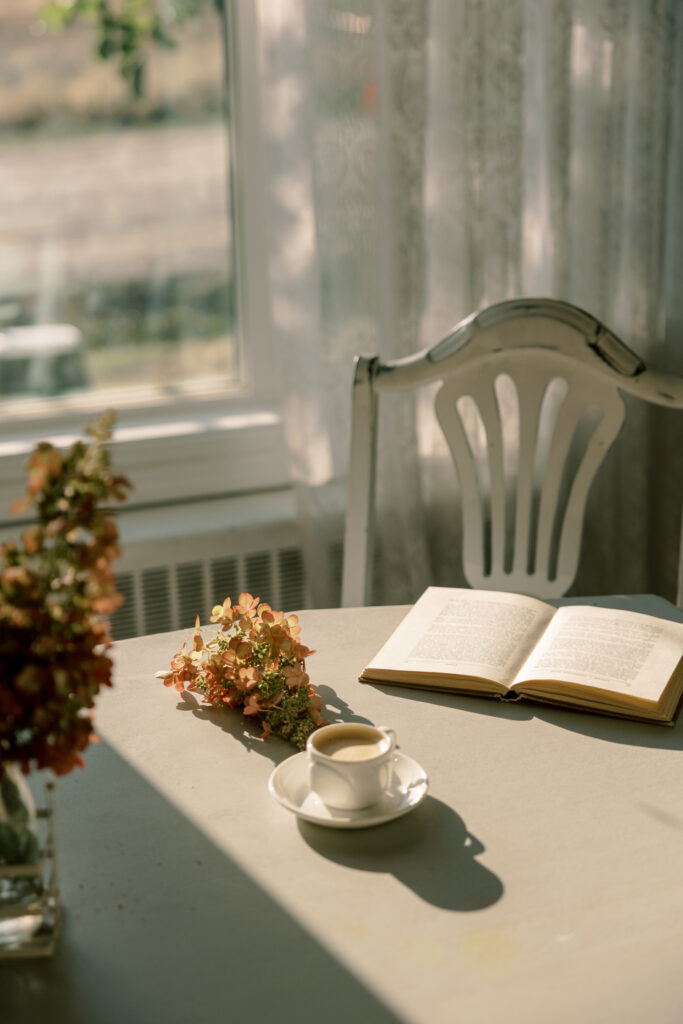
What Slow Living Looks Like in Real Life
It’s not all linen dresses and morning light (although we love that too).
It’s practical.
It looks like:
- Making your coffee and sitting down to drink it instead of walking around multitasking.
- Letting one task take your full attention.
- Cooking at home even when takeout is easier.
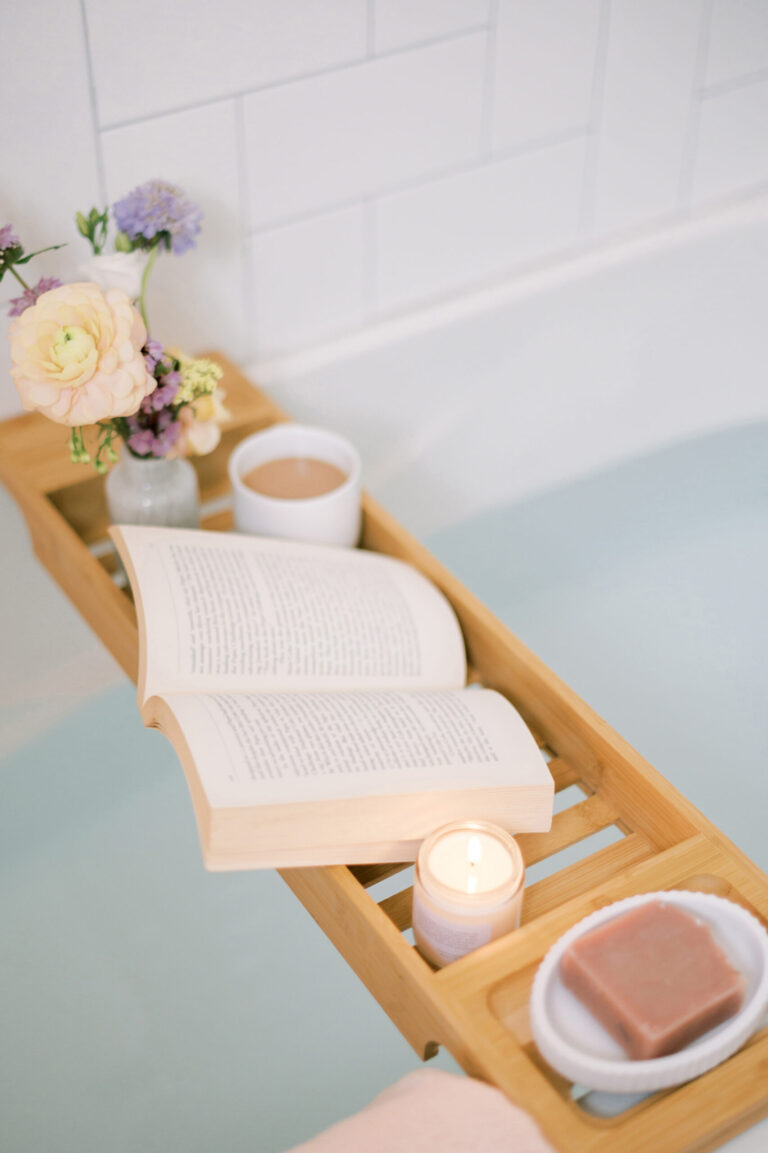
- Lighting a candle at 2pm because the energy feels off.
- Closing the laptop when your body says it’s done.
- Choosing quality over quantity — in purchases, in friendships, in commitments.
It’s subtle. But it’s powerful.
Slow living is a series of micro-decisions that say:
“I trust myself enough to move at my own pace.”
The Nervous System Shift
When I began leaning into slower rhythms, I noticed something unexpected.
Clarity.
When you’re constantly rushing, your body stays in low-grade survival mode. Even if nothing is “wrong,” your system never fully settles.
Slowing down gives your body permission to exhale.
And when your body exhales, your intuition gets louder.
You start noticing:
- What drains you.
- What feels nourishing.
- What actually matters.
- What you were forcing.
You don’t have to overanalyze everything. Your body will tell you.
Slow living creates the space to hear it.
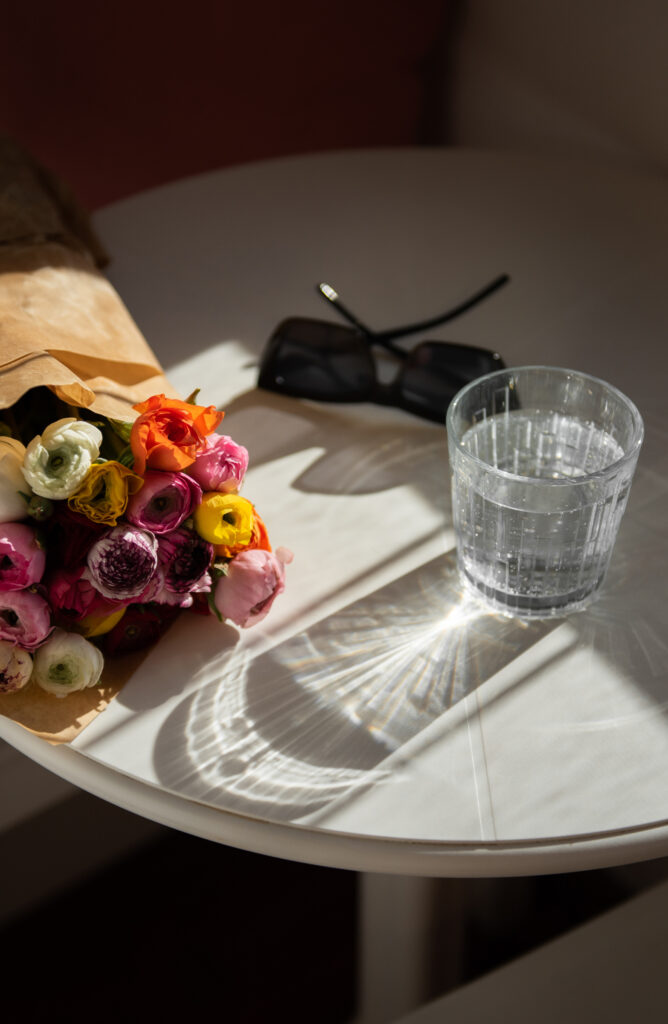
Slow Living & Aesthetic-Led Living
This is the part people sometimes misunderstand.
Beauty matters.
Not in a performative way. Not for social media. But for your internal atmosphere.
When your space feels intentional…
When your routines feel grounding…
When the objects around you feel chosen instead of accumulated…
Your nervous system responds.
A ceramic mug instead of a paper cup.
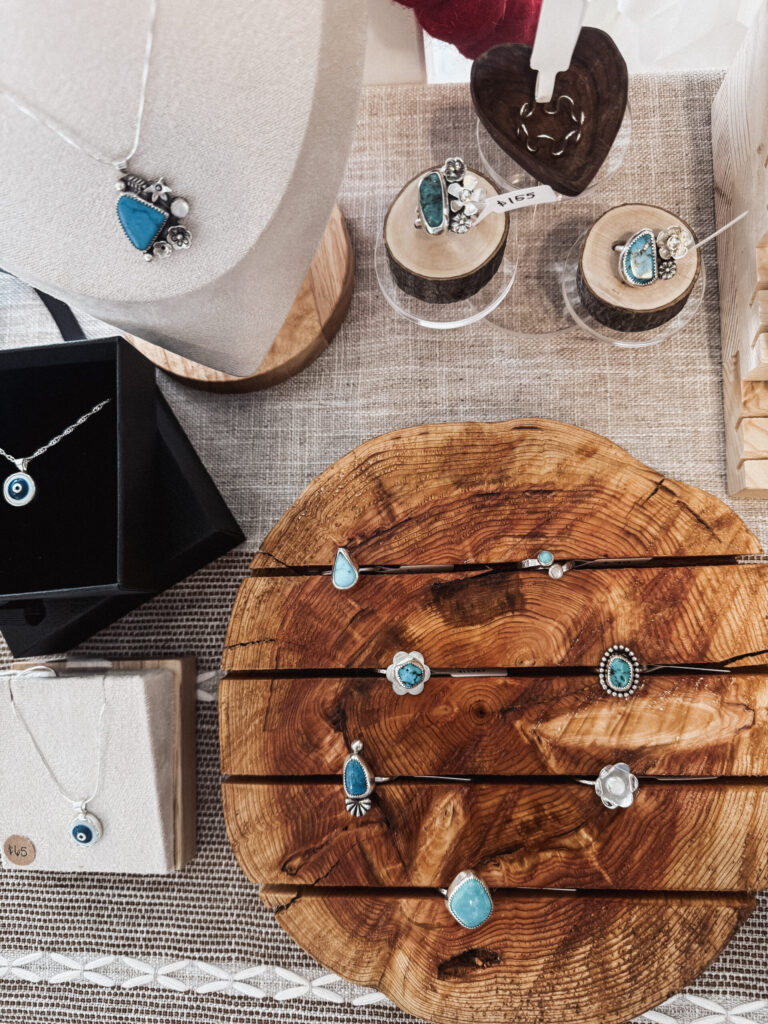
Real silver instead of fast fashion.
A tidy nightstand.
A handwritten list.
These small details are not superficial.
They are signals.
They tell your body: you are safe here. You can move gently.
Letting Go of the Hustle Identity
This part can be uncomfortable.
If you’ve built your identity around being capable, high-functioning, productive — slowing down can feel like losing something.
Who am I if I’m not constantly achieving?
But what if you’re allowed to be worthy without being exhausted?
What if your value isn’t tied to output?
Slow living isn’t laziness.
It’s discernment.
It’s realizing you don’t have to attend every invitation, chase every opportunity, or answer every message immediately.
You get to choose your pace.
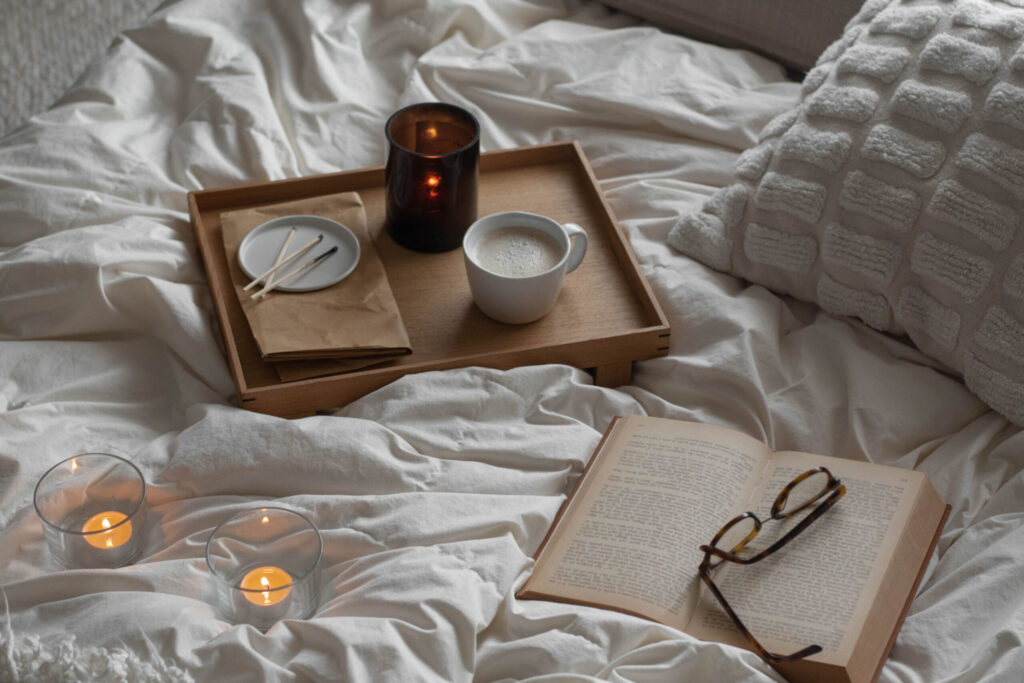
How to Start Living More Slowly (Without Overhauling Your Life)
You don’t need a full reset. Just begin here:
- Choose one daily ritual to protect.
(Morning coffee. Evening skincare. A short walk.) - Remove one unnecessary rush.
(Leave five minutes earlier. Prep the night before.) - Create one small pocket of beauty.
(Fresh sheets. A bowl of fruit. A candle by your bed.) - Notice when you’re speeding up unnecessarily.
Ask: What am I running from?
Slow living is not a personality.
It’s a practice.
Living in Alignment, Not Reaction
At its core, slow living is about alignment.
It’s about:
- Listening before reacting.
- Choosing before committing.
- Feeling before forcing.
It’s trusting that your life doesn’t need to look like anyone else’s to be meaningful.
And maybe the most radical part?
You can live slowly right where you are.
You don’t need a cottage in the countryside.
You don’t need a different job.
You don’t need to escape your current life.
You just need to stop rushing through it.
Slow living is not about shrinking your world.
It’s about deepening it.
And once you experience that depth — it’s very hard to go back.